Low volume
Your order isn't too small. It's too much friction for them.
You've sent the same inquiry to six factories. Four went silent. Two came back with "MOQ 5,000." It's easy to read that as a verdict on your business. It isn't.
What's actually happening on their side
ODM factories are squeezed from both ends. They have to push back on a designer's file to make it genuinely castable, and they still have to clear their own plant's minimum production efficiency. A small batch makes both jobs harder to justify internally.
So most of them say no. Not because it can't be done — because for them, the friction outweighs the order.
The floor is 1,000 pieces
Small batch isn't a question here. It's a yes, followed by the work of figuring out how to make it run. That work is mostly done up front, at the design stage, where changes are cheap.
- Mold, casting, and CNC get discussed together — so a design change made for one stage doesn't quietly break another.
- Every modification we suggest comes with the reason: why this wall thickness and not that one, why this draft angle, what happens if the feature stays where it is.
- Every inquiry gets a real feasibility check, not a copy-pasted MOQ reply.
And where's the ceiling?
Nobody asks this one, and it matters more than the floor if you're planning to grow. This network was built serving large manufacturers shipping to overseas clients — a brand going from 1,000 to 50,000 units isn't outgrowing it, it's growing into what it was built for.
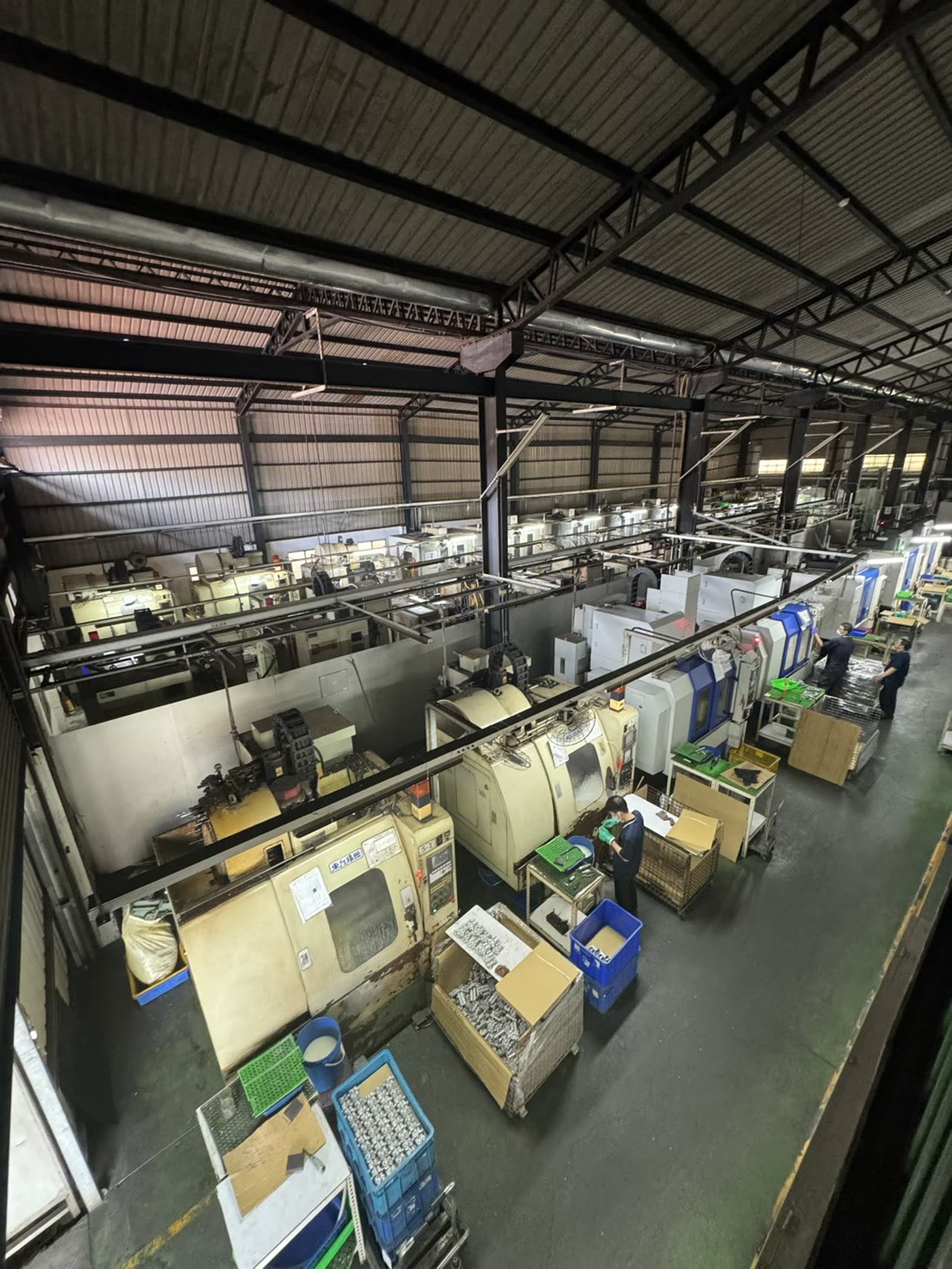
Scaling isn't just "make more of the same thing," though. What changes:
- Scheduling across multiple cavities or duplicate tooling.
- Consistency monitoring. Unit-to-unit variation matters more the further the count climbs.
We ask at DFM whether your first order is a one-off or the start of something — even at 1,000 pieces. Some of those upfront decisions are far cheaper to make early than to redo later.
What you'll get told honestly
Before you place a bigger reorder, you'll get a straight answer about whether your existing mold and process will scale or need revision. Capacity was never the bottleneck — but a tool built for a small run pretending it's a production tool absolutely is.